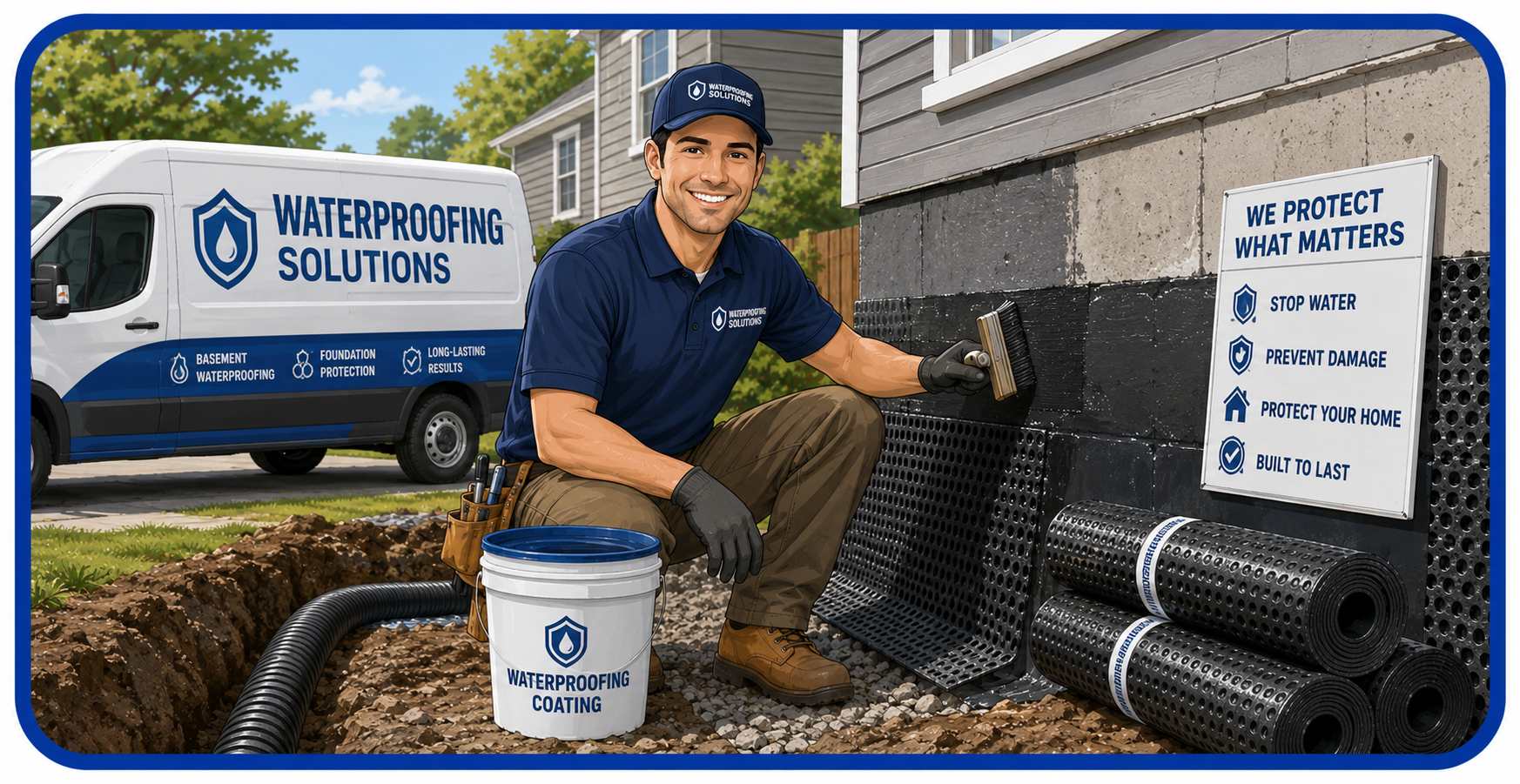
Wall seepage and floor cracks let moisture invade your home year-round. Our certified team in Delaware delivers lasting waterproofing that holds.
Here is what sets our basement waterproofing team apart from the rest.
We design every interior drainage system from scratch based on your basement's actual water entry points, soil type, and floor elevation -- no one-size-fits-all kits.
Porous concrete block and poured walls let groundwater seep through at the mortar joints -- we seal them from the inside with hydraulic cement and crystalline coatings that bond permanently.
We document every installation with before-and-after photos, moisture readings, and a written record so you have evidence of the work performed and its conditions.
Our quotes include the scope of work, materials specified by brand and model, warranty terms, and the payment schedule -- everything you need to compare us fairly.
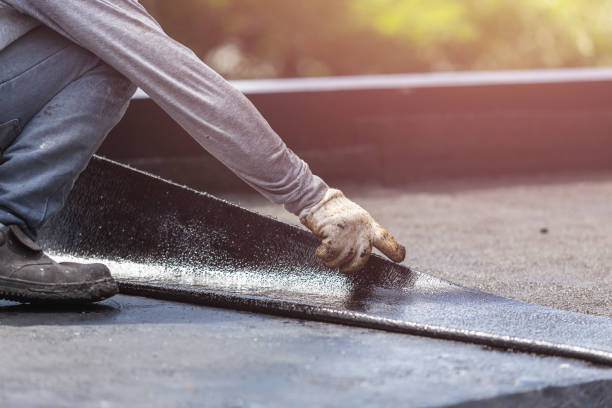
Most homeowners in Delaware do not realize that a wet basement is not simply a waterproofing problem -- it is a structural warning sign. Hydrostatic pressure that pushes water through walls does not stop pushing when the water is gone. It continues to stress the concrete and masonry, leading to horizontal cracks in block walls, inward bowing of poured walls, and undermining of the footing system. Addressing the symptom without understanding the root cause means spending money on solutions that fail within a few seasons.
A well-installed interior drain tile system is designed around the specific hydrology of your property. Basements in Delaware that sit in naturally high water table zones require larger-diameter pipe and higher-capacity pumps than basements that only collect surface runoff during heavy storms. Our assessment process measures both the volume and the frequency of water intrusion to right-size every component -- from the pipe diameter to the pump horsepower and battery backup capacity.
In poured concrete walls, the most common seepage points are cold joints, tie rod holes, and form tie locations. These are concentrated, well-defined penetrations that respond well to polyurethane or epoxy injection -- a process of drilling small ports along the crack or joint, installing surface-mounted injection ports, and pumping low-viscosity resin under pressure until it fills the void completely. The cured resin is permanently flexible or rigid depending on the product chosen, creating a watertight seal that moves slightly with seasonal concrete expansion without reopening.
Floor cracks are a separate category of water entry that many homeowners underestimate. A hairline crack in a poured concrete floor can transmit significant water when the slab sits on soil with a high water table. Injection of these cracks follows the same principle as wall cracks: drill ports, install fittings, and pump polyurethane resin that expands to fill the void and bond with the surrounding concrete. In situations where the slab has heaved or settled, crack injection is supplemented with undercutting and re-pouring a portion of the slab to restore a flat, properly sealed floor surface.
Our written warranty covers both the installed drainage system and the sump pump equipment against defects in materials and workmanship. We recommend scheduling an annual inspection with our team to check that pump floats are operating freely, the battery backup is holding a charge, and the drain system's outlet is unobstructed. Homeowners in Delaware, OH who maintain this schedule rarely experience warranty claims because we catch the small issues before they become large ones.
Our full-service waterproofing menu addresses every water entry point from foundation wall to window well.
Our drain tile installations use commercial-grade perforated pipe with filter sock protection, gravel bedding, and a concrete topping restored to match your original floor.
Injection ports are removed after cure and the wall surface is patched flush, leaving a clean repair with no visible hardware remaining on the wall face.
We install pedestal and submersible sump pumps from commercial-grade manufacturers and include a battery backup unit as standard on every new installation.
The finished surface is coated with a heavy-bodied elastomeric masonry waterproofer that bridges hairline cracks and resists surface moisture transmission year-round.
Basement floor cracks that allow water infiltration from below are treated with polyurethane injection resin pumped under pressure to fill the void and bond with surrounding concrete.
Below-grade window wells that collect rainwater are fitted with a dedicated drain at the base of the well, connected directly into the interior perimeter drain system.
We measure moisture levels at multiple points, probe for efflorescence sources, and map every water entry location before recommending any solution.
We prepare a detailed written scope covering all materials, methods, and warranty terms before scheduling any work so you know exactly what you are approving.
Our certified crew completes the installation with minimum disruption to your home, working from a phased sequence designed to protect furnishings and maintain basement access throughout.
Your warranty packet includes installation photos, moisture reading logs, and contact information for scheduling future annual inspections.
We had serious standing water every spring for eight years. JCB Waterproofing and Construction installed a full perimeter drain and sump system and we have been completely dry through two wet seasons since.
The quote was detailed, the crew was on time, and the work was exactly as described. They even patched the concrete so neatly you can barely tell there was a drain trench cut.
Excellent crew, fair price, and the basement has been dry for fourteen months now including one of the wettest summers our area has seen. Highly recommend.
Get a written quote from certified professionals who have solved every type of basement water problem in OH.
Call +1-866-476-1348 Now